
GARDEN
The Westminster Garden: food for body and soul
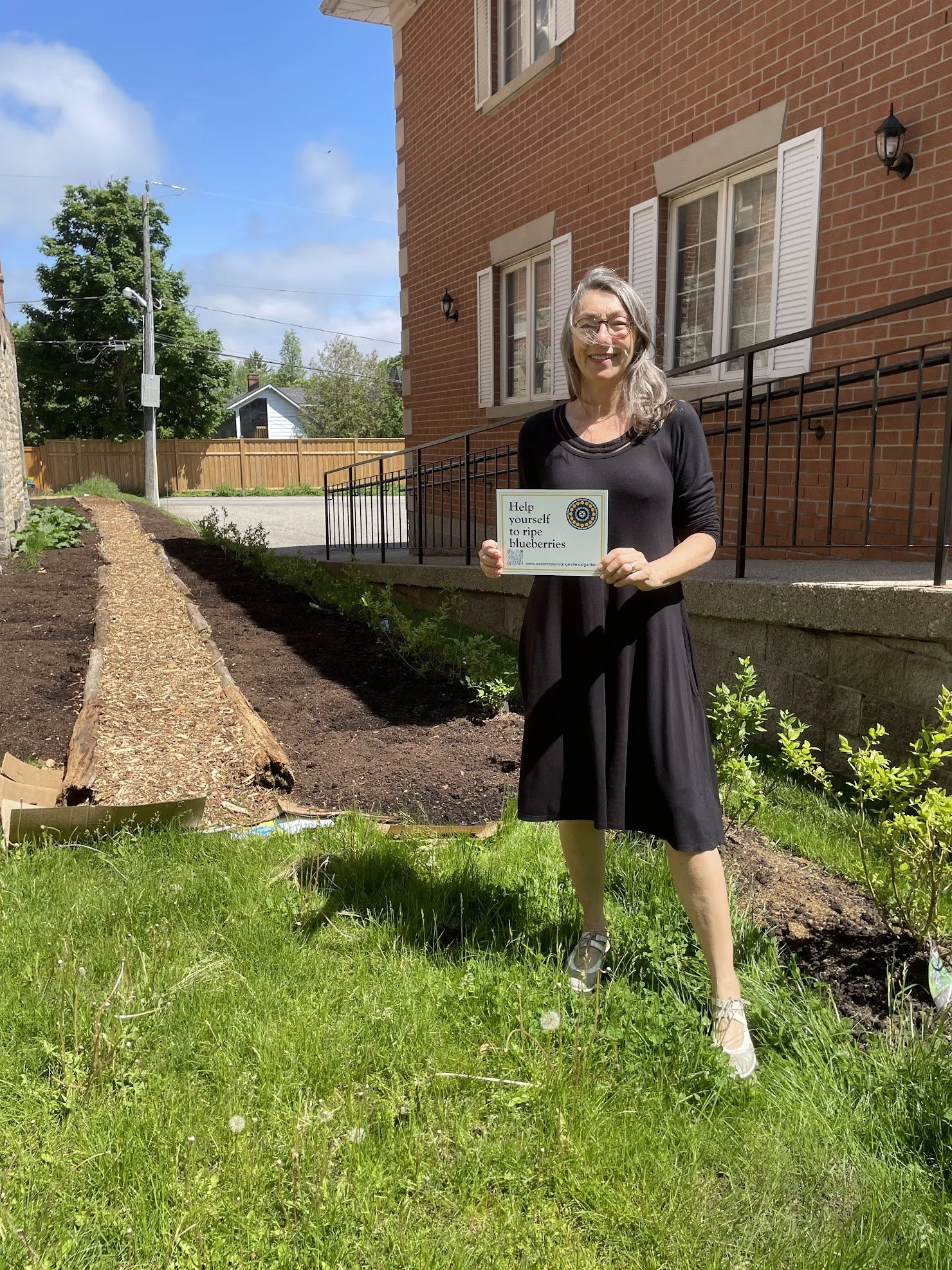
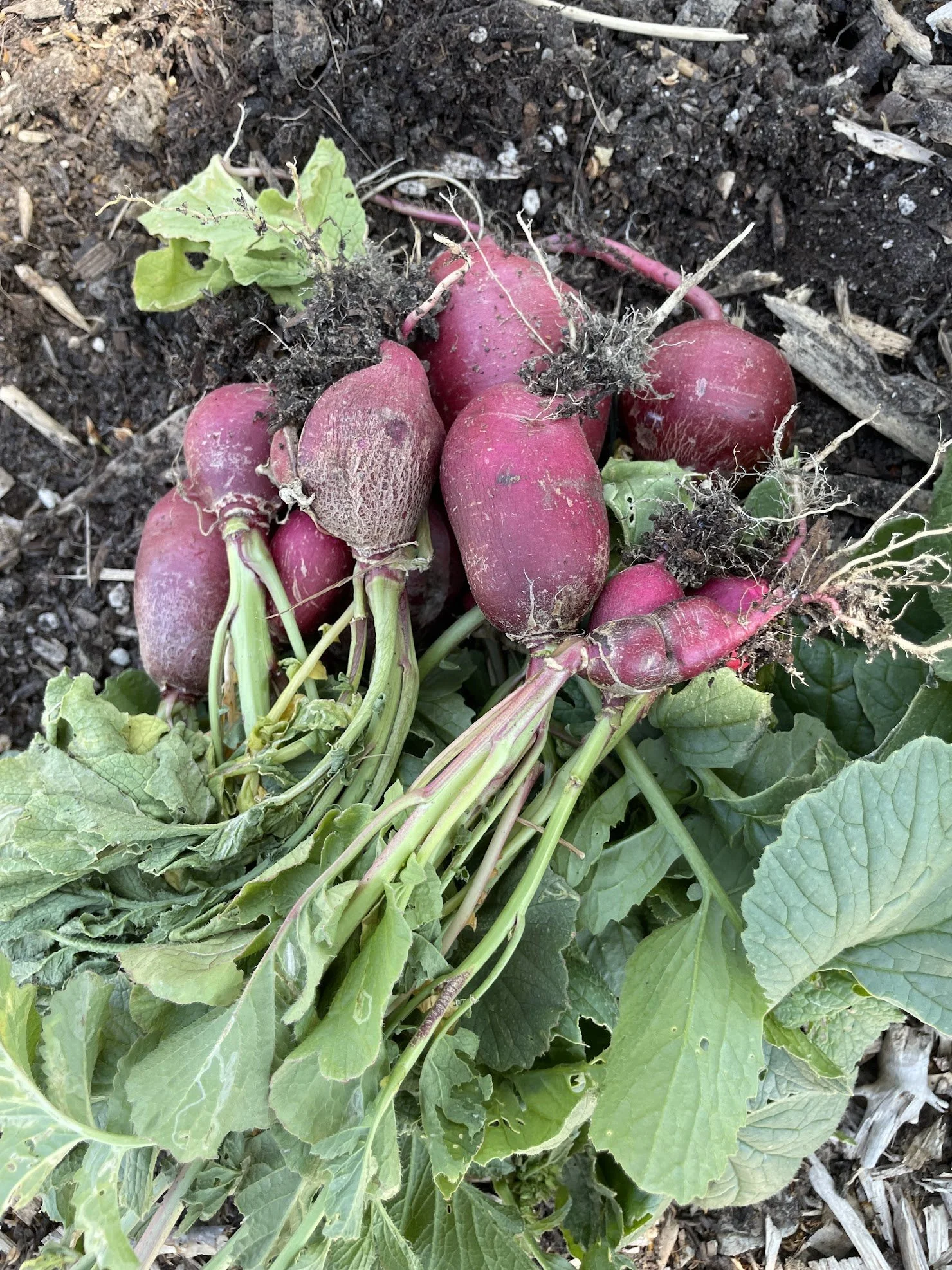
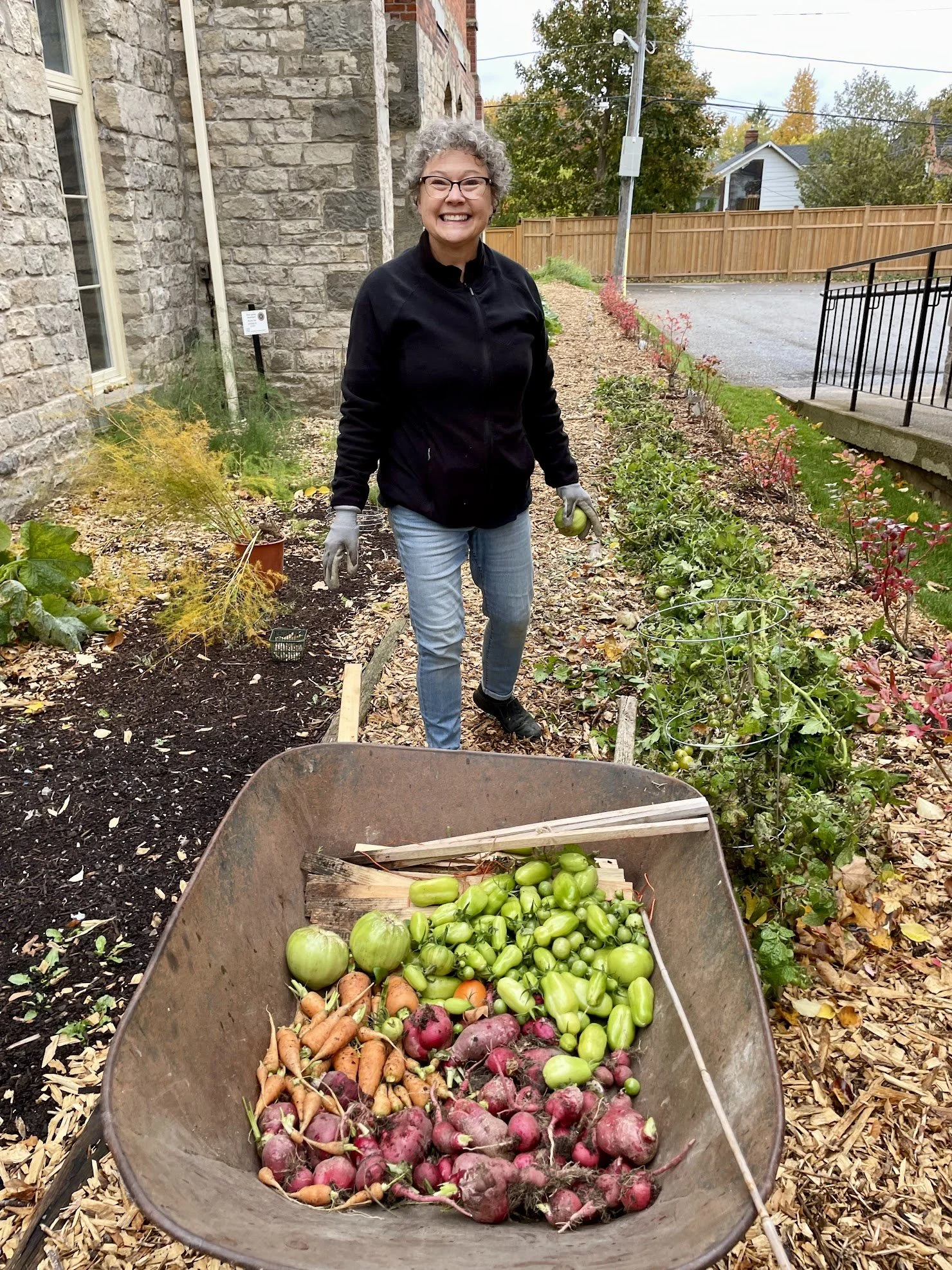
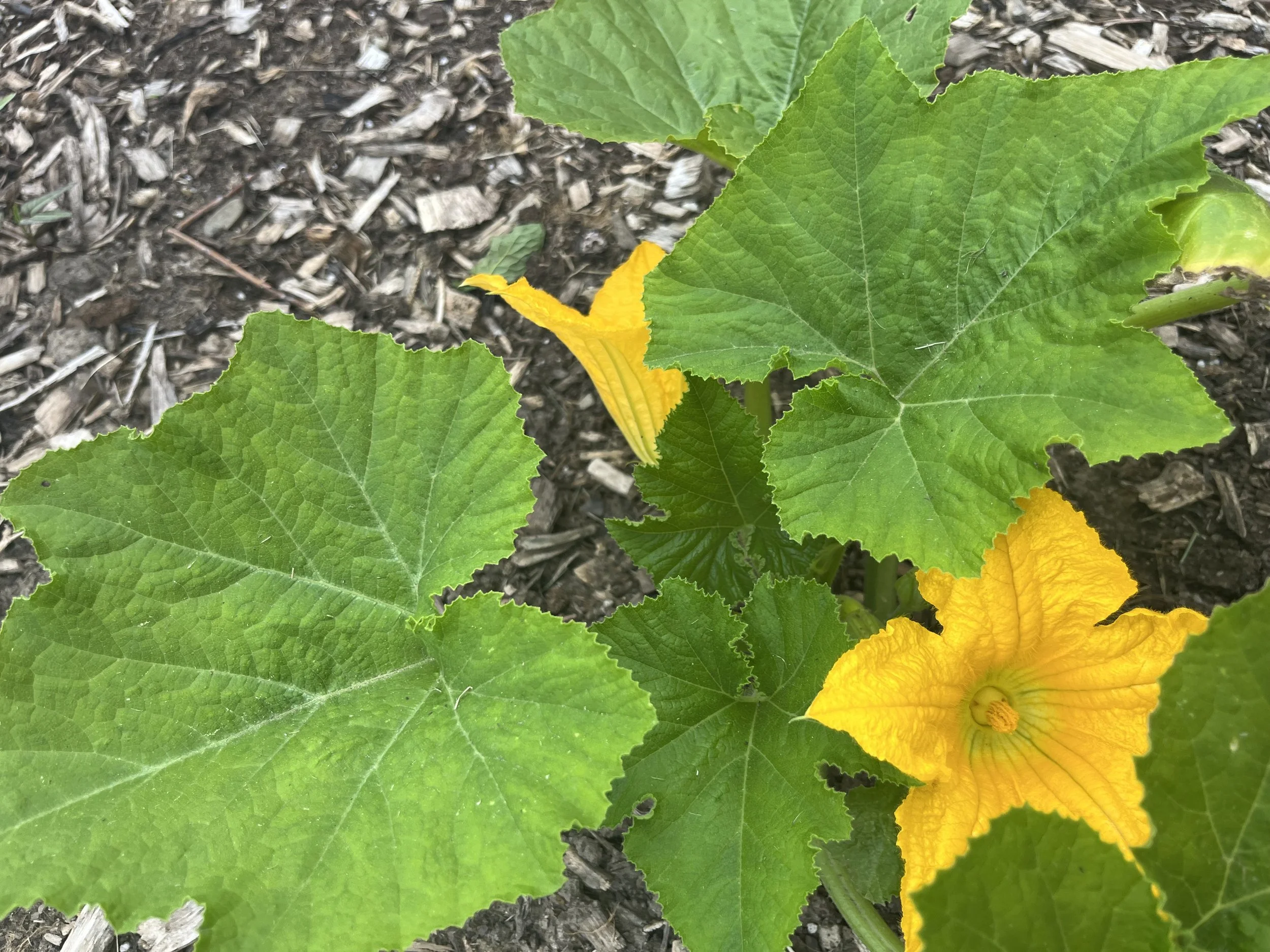
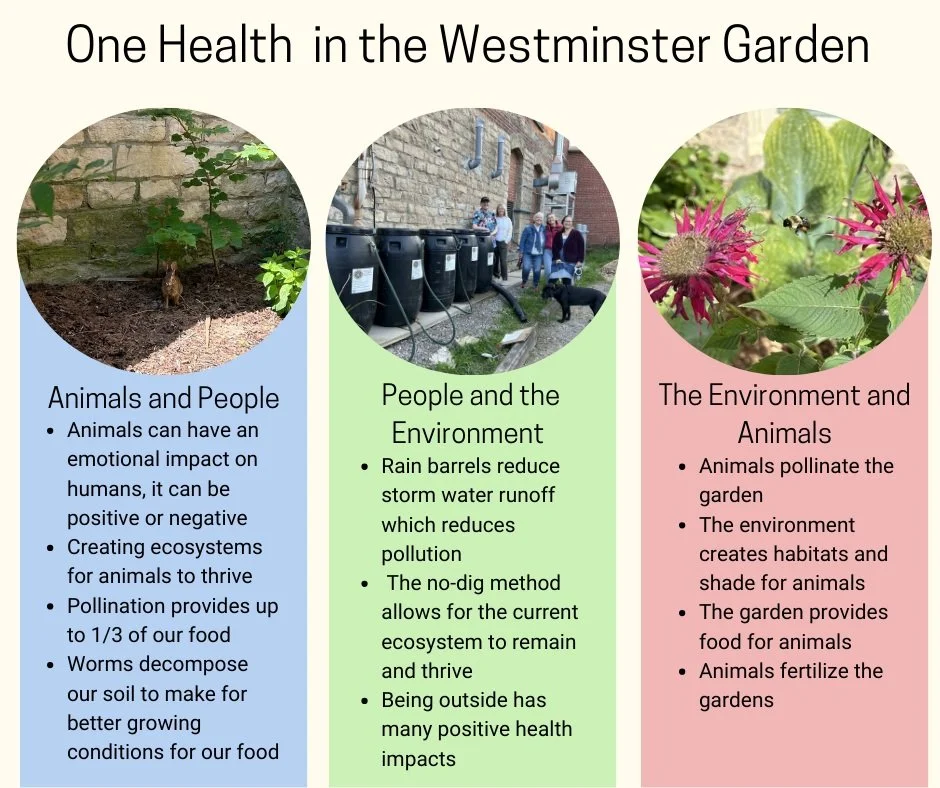
Westminster United Church is in the process of transforming its lawn into food and pollinator gardens as a way of addressing the climate crisis, food insecurity and injustice, as well as the need for community and connection.
Our Goals
feed people’s bodies and replenish their souls
be accessible to all ages, all abilities, people who are food insecure
[re]connect people with the earth
be a place to learn to grow food
include a no-mow recreation space
be an example of various ways to grow food
lower Westminster’s carbon footprint significantly
contribute to the Dufferin County climate action plan
foster and create community connections amongst individuals and organizations
address food insecurity in our community by providing food for grazing and contributing to Westminster’s food justice programming
And, it will be beautiful.
We have big plans to transform our green space.
We are committed to these goals - the Westminster green space will…
-
A recreation space with a drought resistant ground cover requires no mowing
Growing food helps us lower our “food print’
Collecting rainwater for use in the garden reduces energy consumption
-
Our goal is to establish the main lawn as a no-mow recreation space for use by the church community, Children’s Church, STEM camp and others
the main part of the existing lawn will be over-seeded with white Dutch clover
Creeping thyme will be planted around the edges of the lawn
-
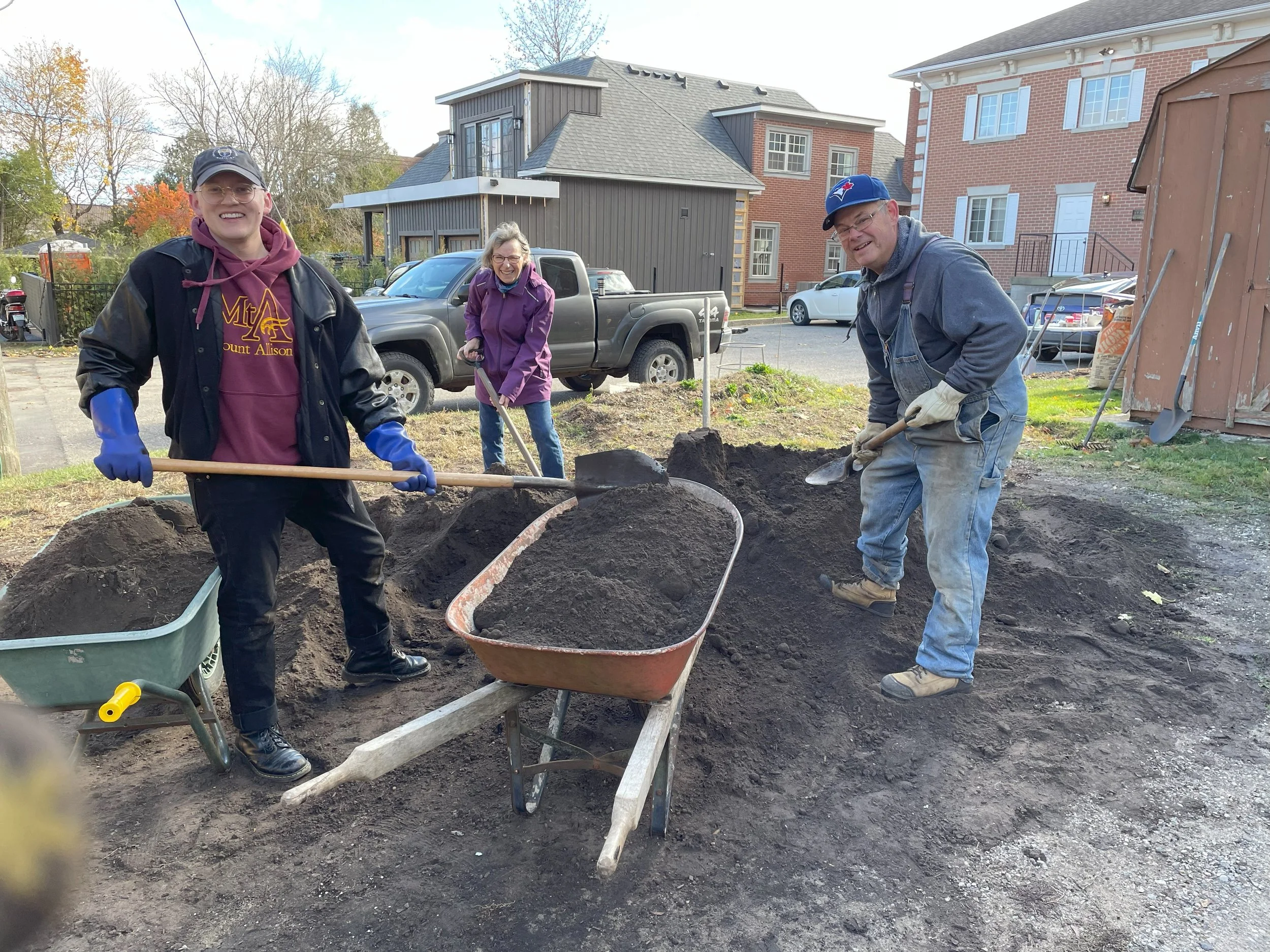
Using simple permaculture and other practices and materials to block growth of grass, compost and produce soil will enable us to demonstrate to the community simple ways to start growing food.
The first soil preparation method will be no-till
This early step is easily achieved and documented in video format so that it, along with the entire project, can be shared on social media and on our website.
-
The aesthetic of a beautiful space will be upheld and enhanced as we create some “fedges” (food hedges), plant a tea garden and develop multiple Westminster herbal tea blends, and grow food vertically and horizontally that will contribute to addressing the food needs of the Orangeville community.
The Westminster Garden follows the guidelines of Robin Wall Kimmerer’s Honourable Harvest. The attached video is a shortened version, read by Kimmerer herself.
To read the full Honourable Harvest excerpt from Robin Kimmerer’s Braiding Sweetgrass (2013), click here.
Events
Garden Work Days
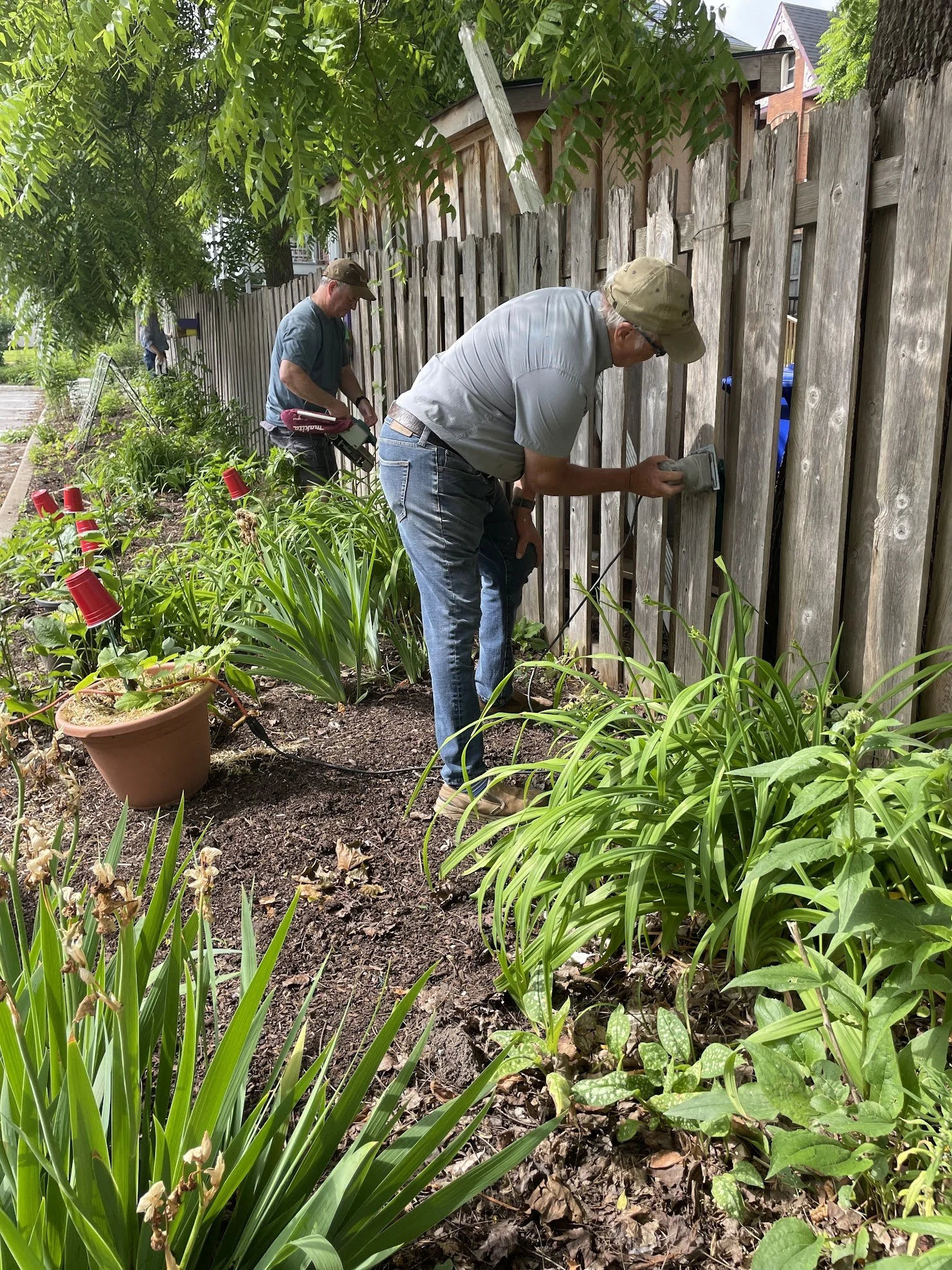
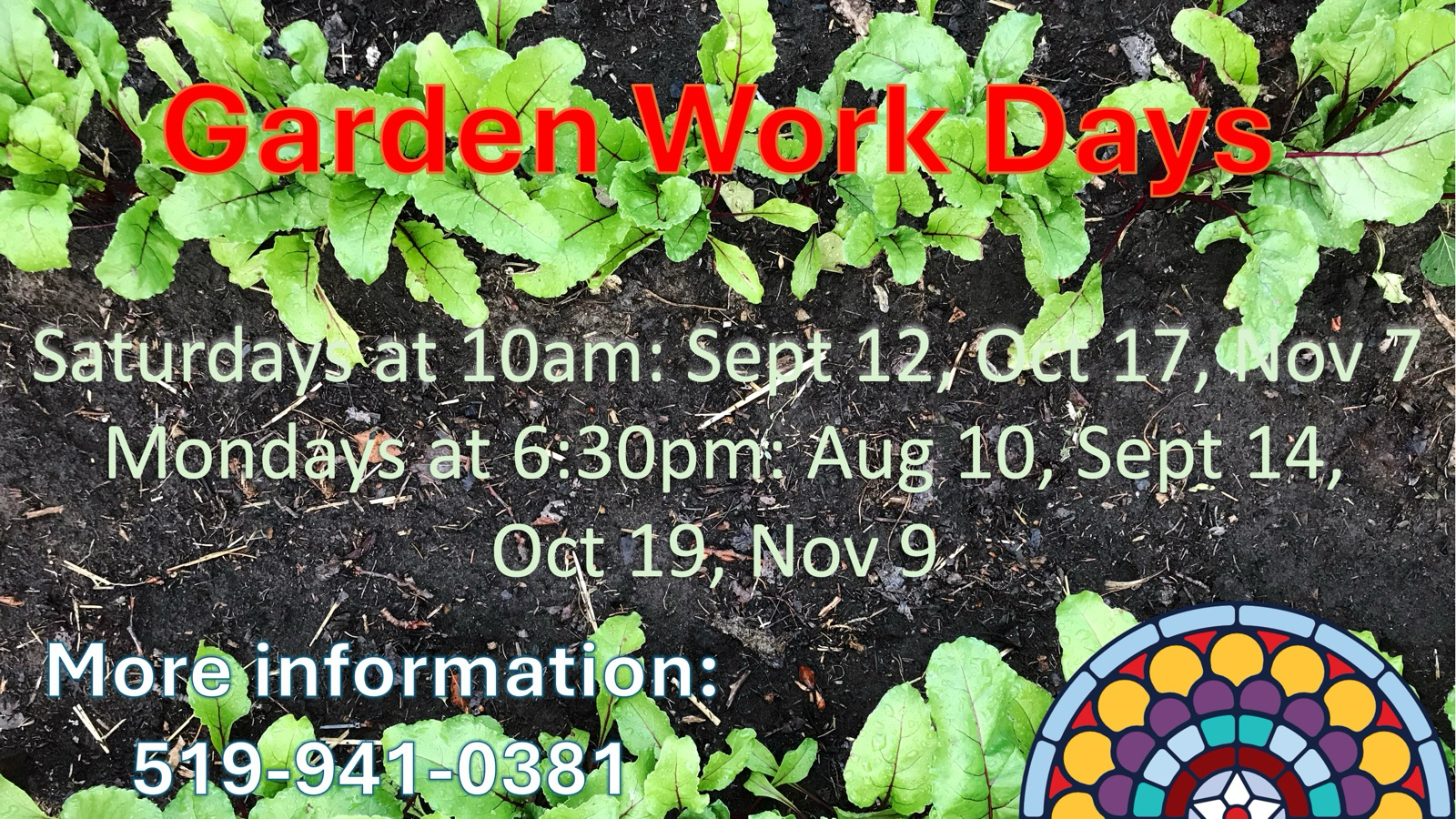
Give back to the garden, the land, and the community by joining our volunteers the first Saturday of each month at 10am, from May-November, and the second Mondays of each month at 7pm. Reach out to get involved at 519-941-0381.
Tools provided, but feel free to bring your own!
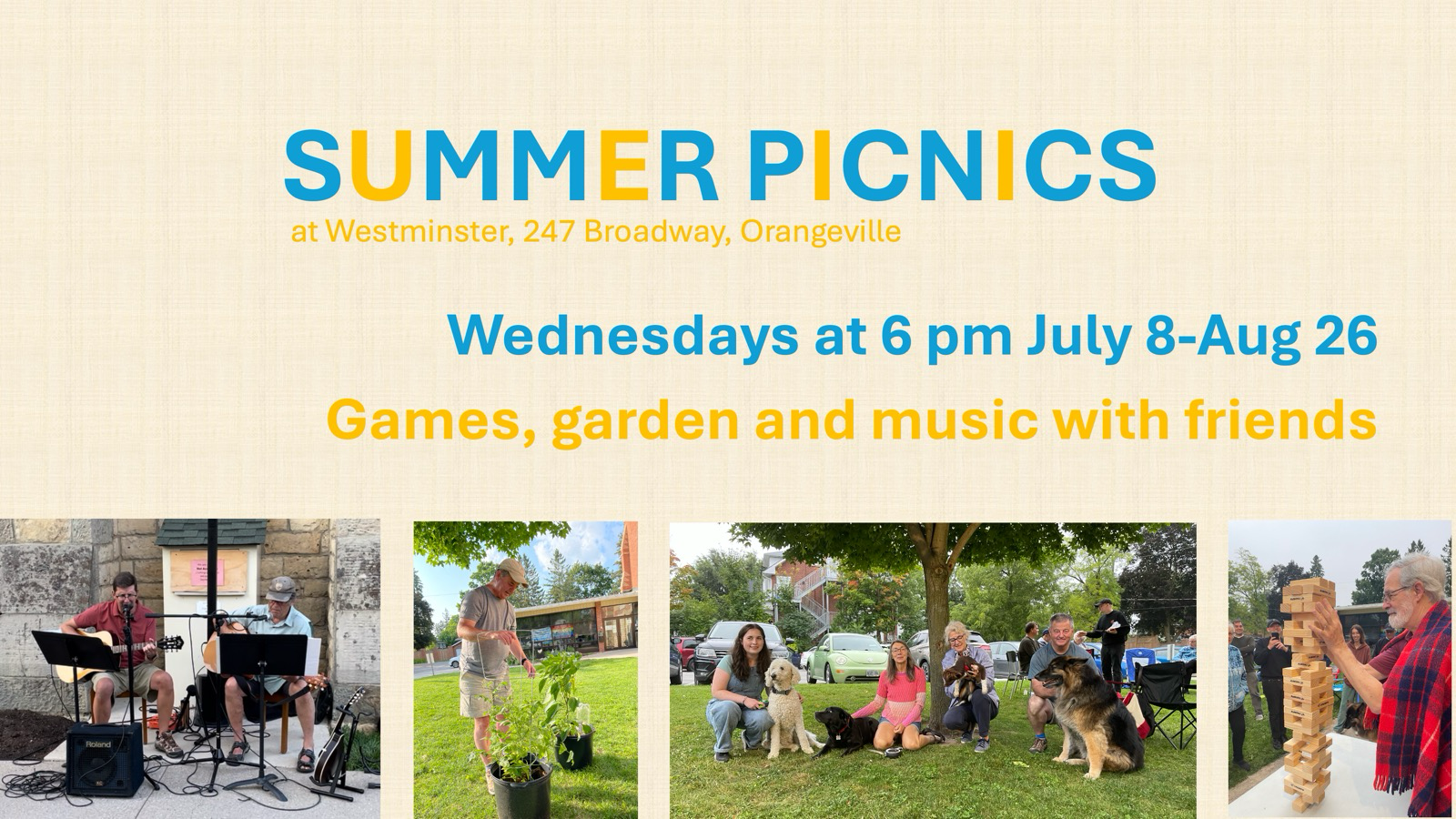
Wednesday Summer Picnics
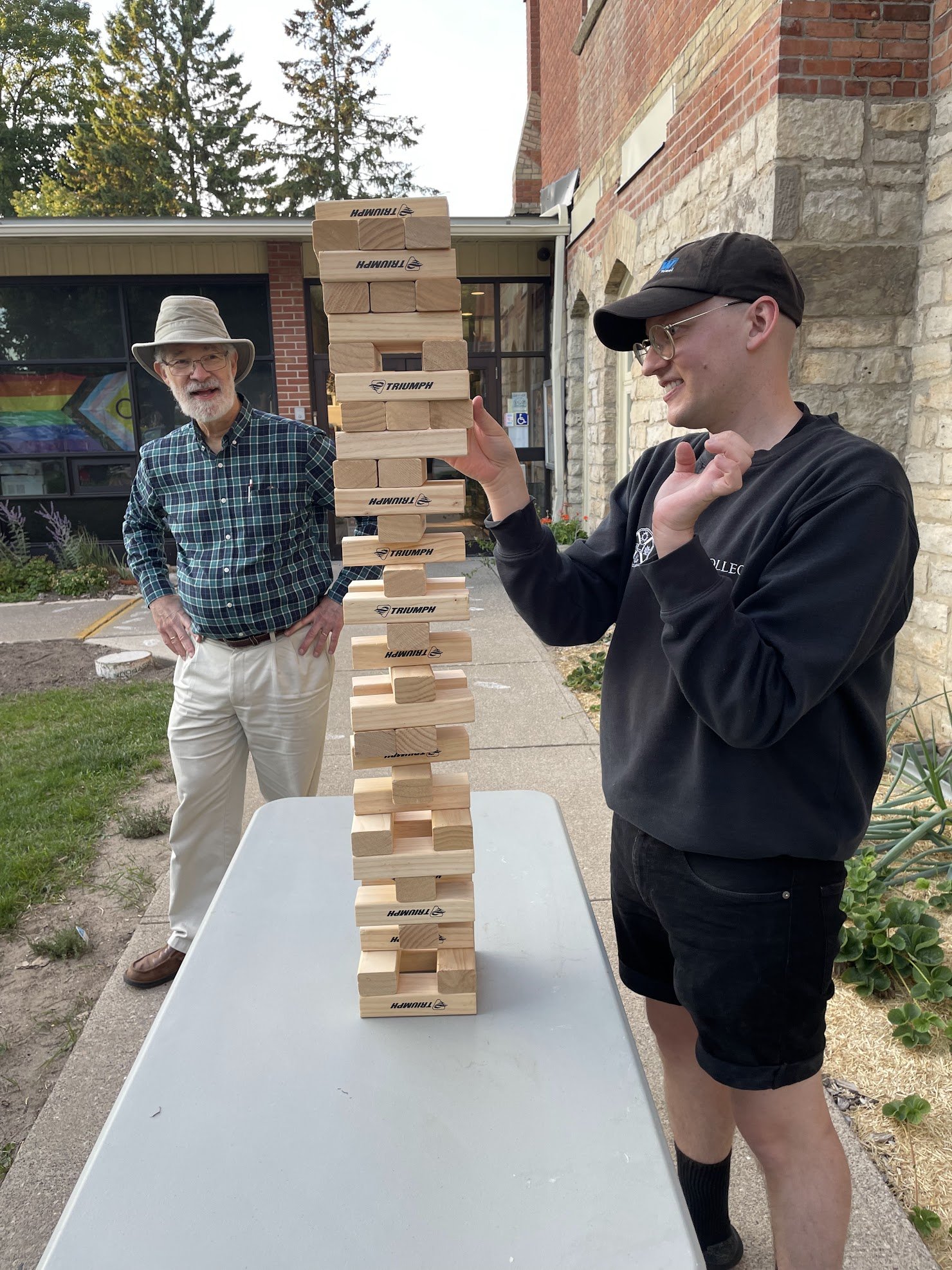
Located on the front lawn of Westminster Church, 247 Broadway, this joyful community event is a great way to experience the garden, see what’s new, play yard games, and connect with the land.
Bring your own chair, lunch, and don’t forget sunscreen! The first picnic is July 8th, hosted by Kathy Noble and Flora Dickison will be supporting with some fun games!
We hope to see you there!
End of Summer Meeting
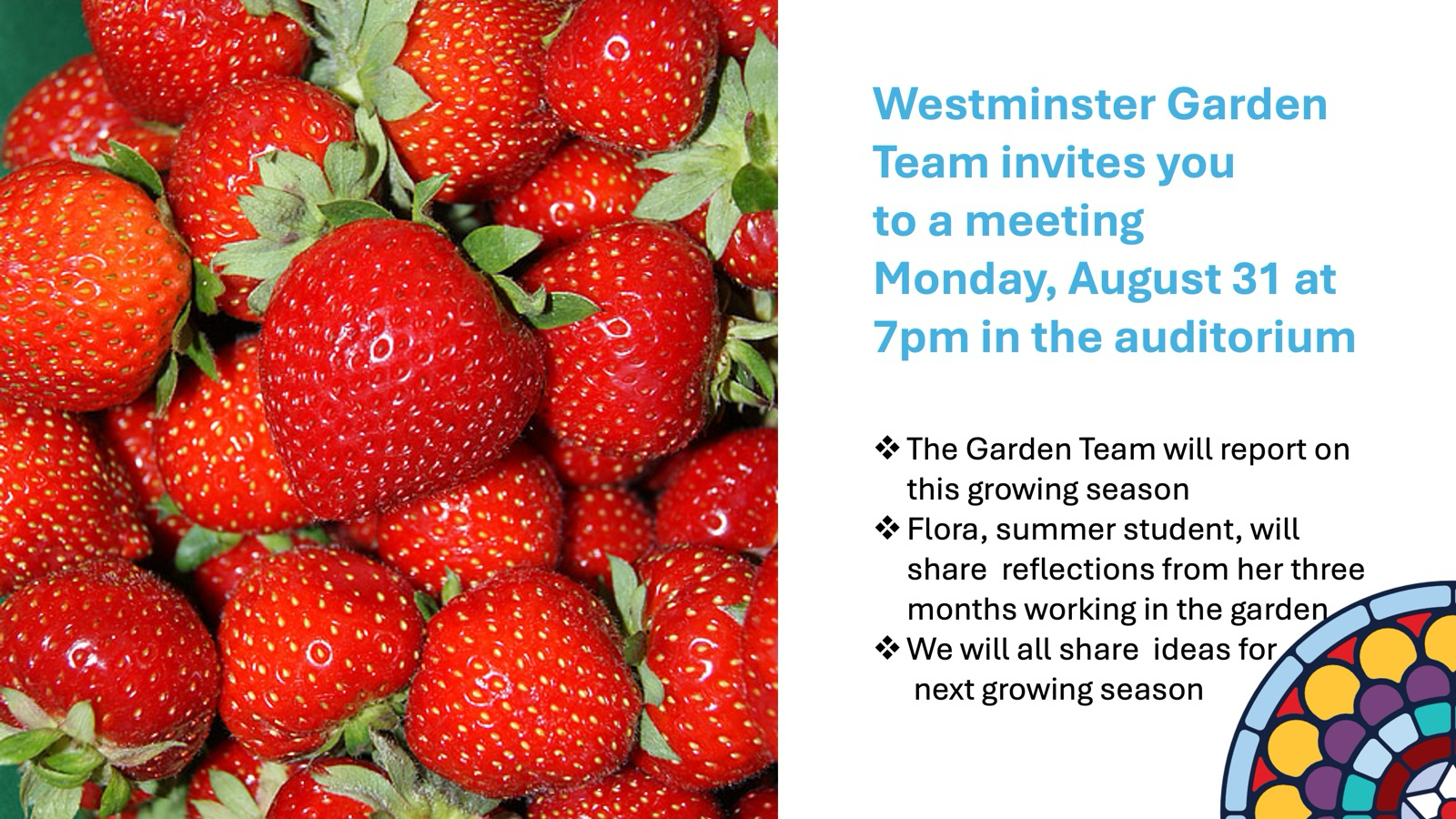
The Garden team invites all garden volunteers, community members, and other folks to meet Monday, August 31st at 7pm in the Auditorium to discuss the growing season and brainstorm ideas for next year! Flora, our summer student for 2026, will be reflecting on the three months of working in the garden full time. We hope to see many of you there!
Keep an eye out for future events, programs, and upcoming workshops!
Our Team
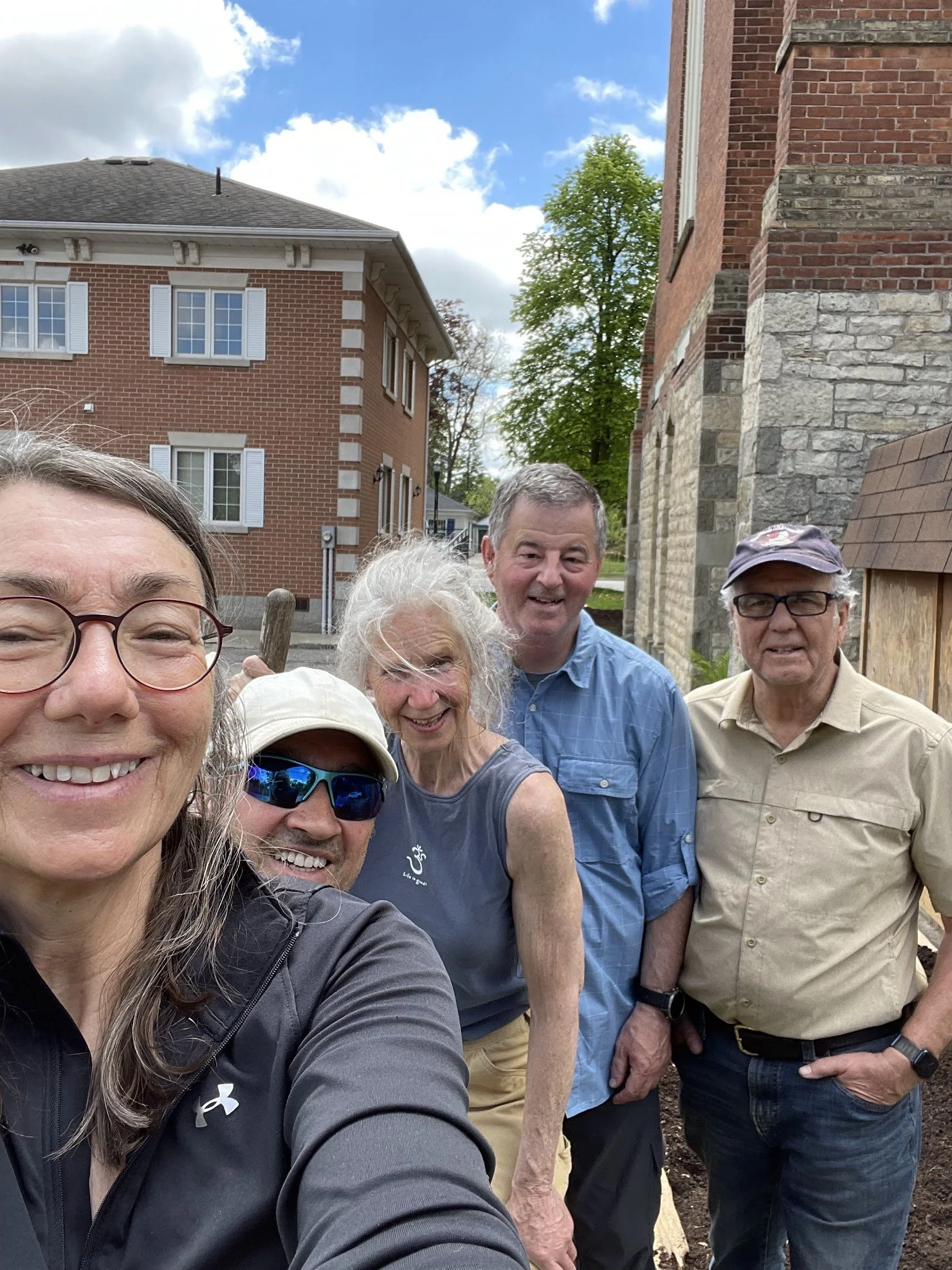
Meet the Garden Transformation Coordinating Committee!
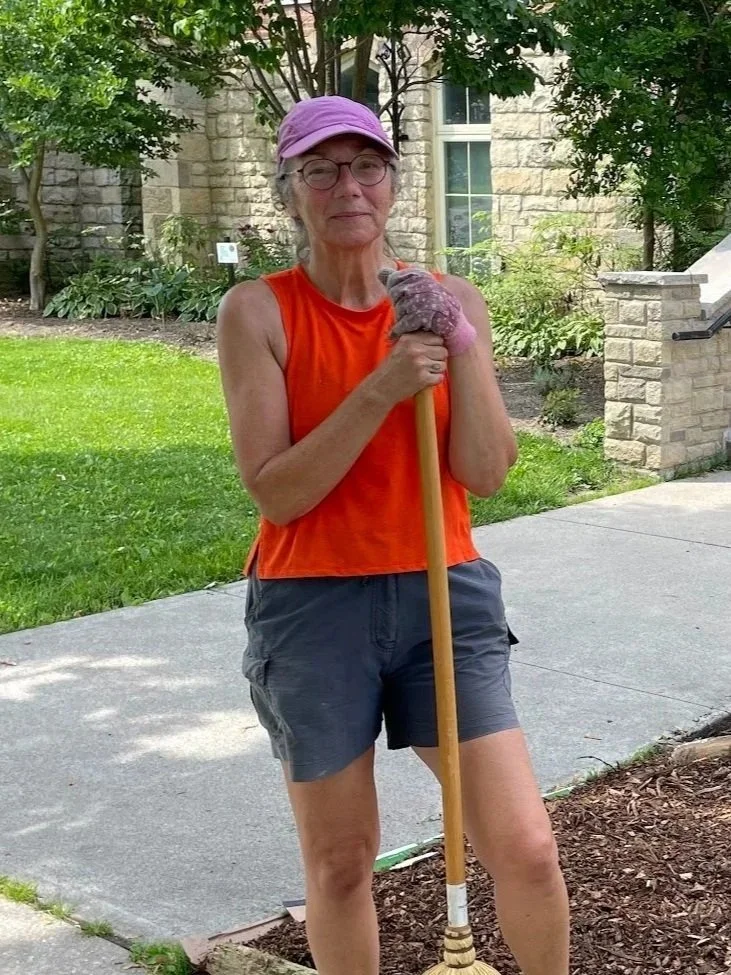
Cheryl Curtis
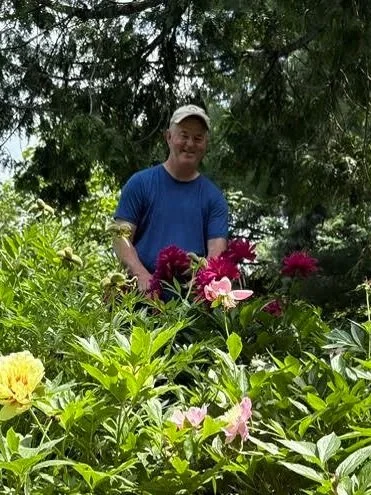
Favourite plant in the Westminster garden: the nitrogen fixing white Dutch clover
Favourite song to listen to while gardening: Glorious by Mamuse
Go to garden tool: Hori hori
Personal lesson or marvel from the garden: All flourishing is mutual (Robin Wall Kimmerer)
Steve Crocker
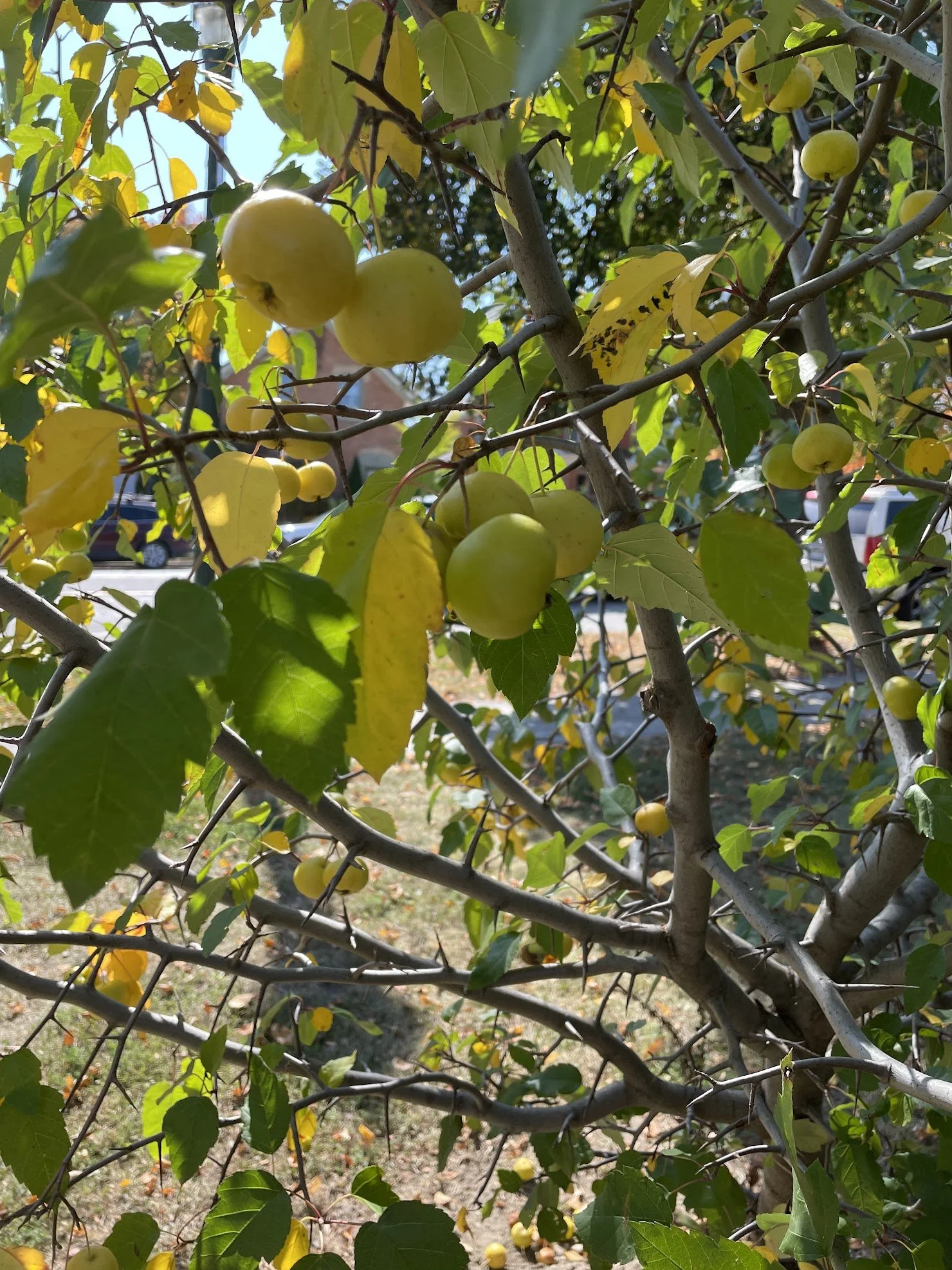
Favourite plant in the Westminster garden: Crab Apple in the southwest corner
Favourite song to listen to while gardening: If I Could by Simon/Garfunkel
Go to garden tool: Trowel
Personal lesson or marvel from the garden: within imperfection there is redemption, the plants we nurture sometimes struggle but there is always the hope of renewal and recovery. Just like the plants we tend to we too can undergo change for the better through our creator.
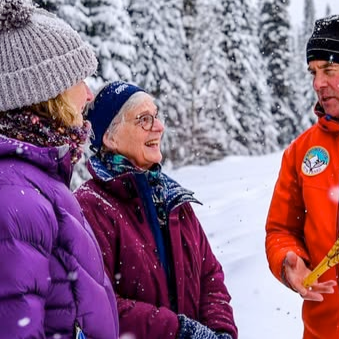
Linda Patterson
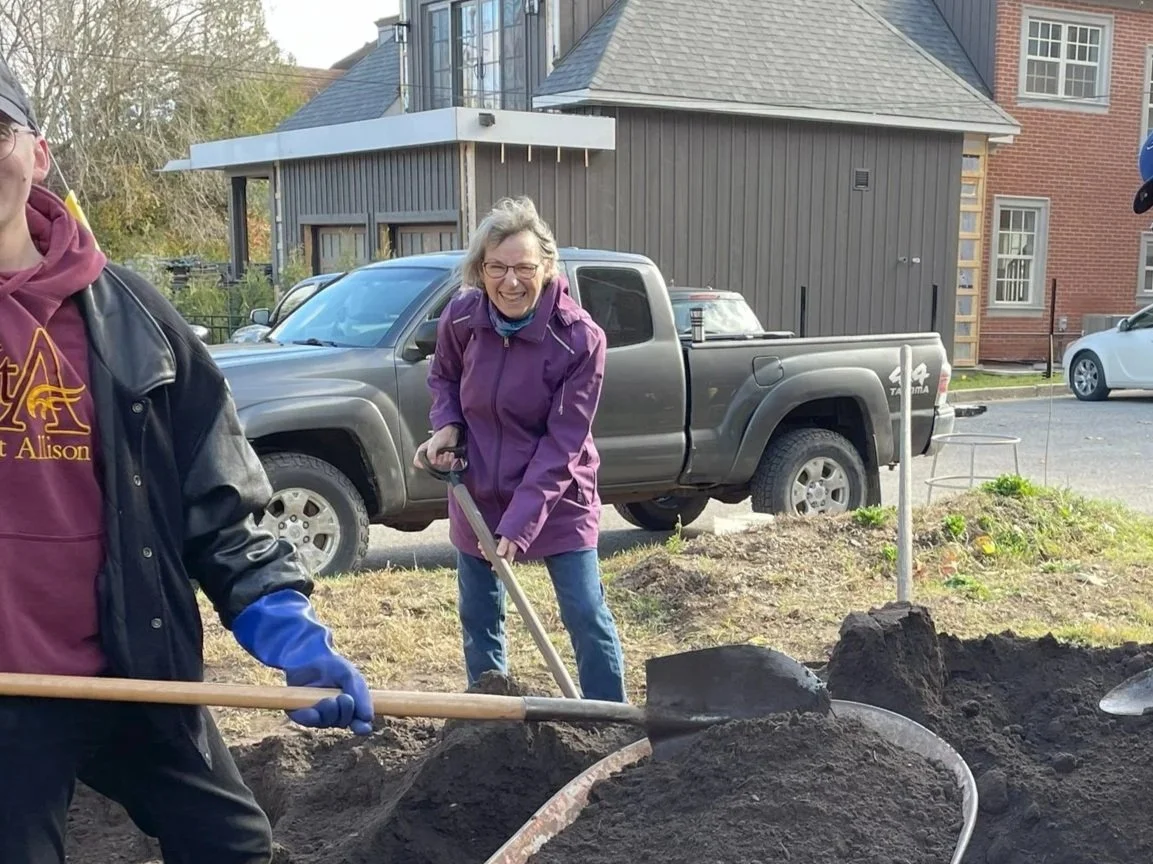
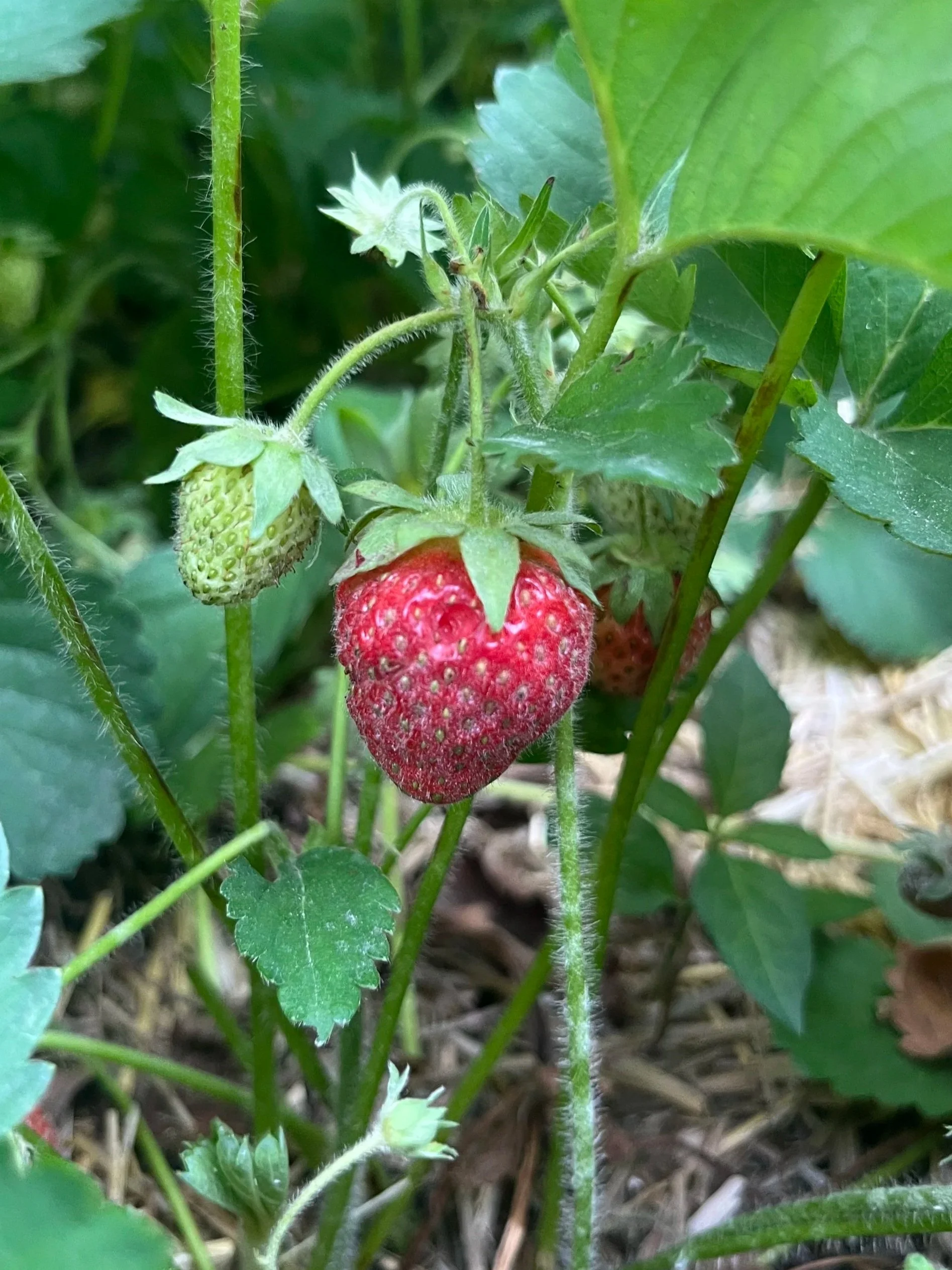
Favourite plant in the Westminster garden: strawberries
Favourite song to listen to while gardening: “Bird Song”
Go to garden tool: pruners
Personal lesson or marvel from the garden: Patience is a valuable lesson learned in the garden
Brenda Scott
Favourite plant in the Westminster garden: Daisy & Hellabore
Favourite song to listen to while gardening: Doesn’t listen to music while gardening!
Go to garden tool: Trowel
Personal lesson or marvel from the garden: how tiny seeds can become a large fruit producing plant, such as tomato.
Please see this section for a list of community contributions outside of the Garden Coordination team.
Resources
This food guide is a great resource to use to find out what fruits and veggies are in season in Ontario so that you can harvest your own food, or anything in our garden!
It also has great selection of healthy food recipes you can make with local produce. If you try one of the or use Westminster’s Garden in any of them, give us a shout and let us know what you think!
For ensuring you don’t damage the plant or waste any food, check out this video if you’re hesitant about your skills prior to harvesting from Westminster’s Garden!
Get Involved
We appreciate all forms of donation, whether that be your time as a volunteer, gardening supplies as listed to the right, or funds for our larger projects.
Spending time outdoors in the garden is good for your whole being. Join our team of dynamic, skilled and joyful people. Be part of a movement growing food instead of lawns. We meet May to November on the first Saturday of the month at 10am and the second Monday at 7pm. We plant seeds and seedlings, weed the garden, water plants. harvest vegetables, and spread compost and mulch in the garden.
The Garden Work Team is comprised of people with professional training in horticulture or as master gardeners, some farmers, and others who are learning. There is opportunity to learn and to enjoy the company of good people who are interested in addressing climate change, food insecurity and the healing impact of community.
Just know that, green thumb or not, if you are interested in growing food we will help you develop the necessary skills and have fun!
Get involved by contacting the Garden team via email at outreach@westminsterorangeville.ca or the office at 519 941 0381
What We Need:
Compost
Mulch
Field stone
Creeping thyme
Funds to complete the retaining wall project
Contact Form
If you’d like to speak with us directly, email outreach@westminsterorangeville.ca or the reach the office at 519 941 0381
Thank You to…
All of our volunteers, the big and small financial donations, and the donations of supplies, materials, seeds, and plants from the community. A special thank you to all of our regular Summer 2026 volunteers!
-
Received $10,000 in December 2023
Retaining wall on the west side of the parking lot, to make gardening more physically accessible, to ensure soil and moisture retention on a sloped garden plot
Activity: October 2025 funds spent with permission from Foundation towards the pergola/greenwall
-
$967 received in April 2024
rain barrels to reduce use of town water, to reduce water flowing into the sewage system
-
Received $3000 April 2024
kitchen workshops, container gardening workshop, garden tools and compost
-
8 weeks of employment, $6000, recieved April 2024
An eight-week community animator position for a student to work with the garden and food programs and enliven the community connection to the projects
-
$10,000 received December 2024
PA Day cooking camps, garden work
-
$2500 received May 2025
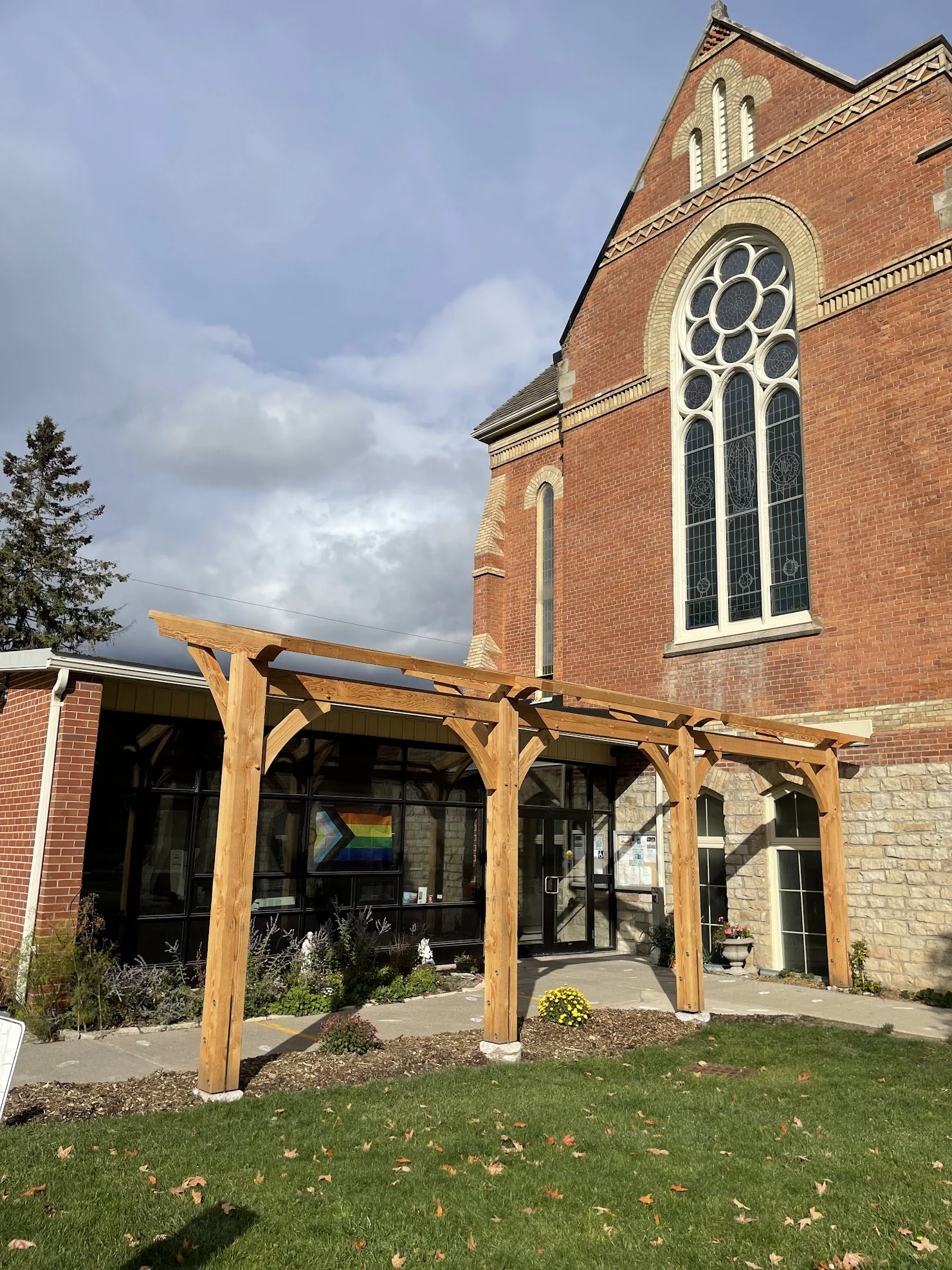
Pergola/greenwall
-
$2500 received December 2025
Garden tools and plants
-
8 weeks of employment granted in April 2026
Garden, kitchen, Communications
-
$4738 received May 2026
additional 5 weeks of employment for summer student and part-time youth contract in August
-
$2865 received June 2026
raised beds for west garden
Frequently Asked Questions
-
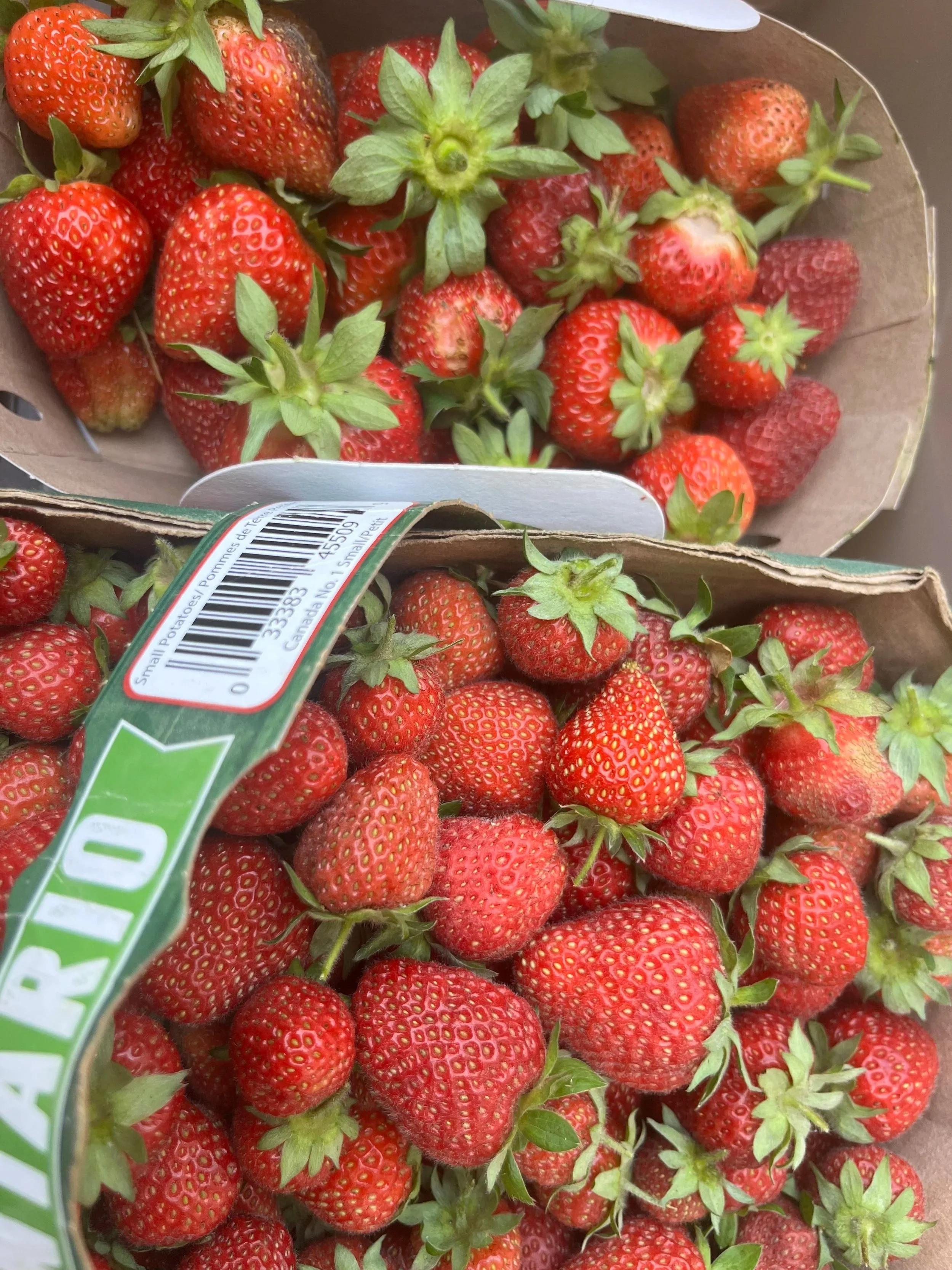
Anyone, and everyone, no matter your financial or social situation. This garden is meant to provide healthy, fresh food to the community and that includes you! Even the gardeners can’t help but munch on strawberries while working!
-
We are grateful for any donations of any kind, whether you have time to come in and help us on our garden work days, or the means to financially contribute. Or, come meet us at the Farmer’s market and purchase some of the delicious things we have for sale from the garden! However, even just supporting us by sharing our mission with the community and letting others know we are here and have food to share.
-
Gardens of food, pollinator friendly species, and nutrient rich soil — instead of lawns — is a beautiful way for Westminster to contribute positively to the Dufferin County Climate Action plan and support the community and ecosystem.
-
Take what you need and what you will use, without wasting anything. If it’s ripe and ready, we encourage you to harvest safely and to use the resources this website provide if needed.
-
During the summer of 2026, various data collection is taking place and we hope to share in a simple and accessible way the impact we have made on the local social and environmental situations. In order to combat climate change, accurate and thorough data must be collected, and we are working to make that happen here!
-
Mostly! We encourage you to ask questions if you are unsure, but for the most part, everything is edible. The Pollinator garden is the one exception, although there are plenty of delicious herbs and edible flowers there too!